Back acne, commonly called bacne, forms when hair follicles on the back become clogged with excess sebum, dead skin cells, sweat, and bacteria. The upper back is particularly vulnerable because it has a higher concentration of sebaceous glands than most other body areas (though fewer than the face and scalp). Add India's heat and humidity into the mix, and you have a near-perfect environment for breakouts.
This guide covers everything you need to know: what causes bacne, how to identify its type and severity, what you can do at home, when to see a dermatologist, and which medical treatments actually work.
Key Takeaways
- Back acne develops when pores clog from excess oil, sweat, dead skin cells, and friction — often worsened by bacteria and occlusive clothing
- Severity ranges from simple blackheads to painful cysts — and the type determines your treatment approach
- Mild-to-moderate bacne often clears with consistent home care using targeted actives like benzoyl peroxide or salicylic acid
- Severe or recurring bacne needs dermatologist-supervised treatment to prevent permanent scarring
- Once nodules or cysts form, delaying treatment raises the risk of long-term scarring — so act early
What Causes Back Acne?
Sebaceous glands in the back's hair follicles overproduce sebum, which mixes with dead skin cells and traps Cutibacterium acnes bacteria — causing inflammation, blockage, and breakouts.
Hormonal and Internal Triggers
Hormonal fluctuations are among the most common culprits. During puberty, menstrual cycles, pregnancy, or periods of chronic stress, the body ramps up sebum production — creating ideal conditions for acne. Stress is worth calling out specifically: research has found a link between stress and acne severity, though the exact biological pathway (likely involving corticotropin-releasing hormone rather than cortisol directly) is still being studied.
Genetics also play a meaningful role. A 2017 Australian twin study estimated acne heritability at around 85% — meaning if one or both of your parents dealt with significant acne, your chances increase substantially. Your skin type and sebum output are largely inherited, not a hygiene failure.
External and Lifestyle Triggers
While internal triggers set the stage, external habits and environment often push skin over the edge. Several everyday factors accelerate bacne:
- Sweat and friction — Tight clothing, backpack straps, sports equipment, and gym gear trap heat and sweat against the skin. The American Academy of Dermatology (AAD) specifically identifies this "acne mechanica" as a major bacne driver
- Hair products — Oily shampoos, conditioners, and pomades can run down the back during showers and clog pores along the hairline and upper back
- Dirty bedding and towels — Bacteria accumulate quickly on pillowcases and towels; sleeping on the same linen for days transfers it back to skin
- Certain medications — Corticosteroids, testosterone-based treatments, and some supplements can trigger or worsen back breakouts
- Heat and humidity — Research on acne patients found that over 56% who noticed seasonal worsening experienced it in summer, with the majority attributing it to sweating and humidity — a pattern particularly relevant for those living in warm, humid climates like Bengaluru year-round
Types and Symptoms of Back Acne
Identifying what you're dealing with helps you choose the right response.
| Type | What It Looks Like | Inflammatory? |
|---|---|---|
| Blackheads | Open, darkened clogged pores | No |
| Whiteheads | Closed, flesh-coloured bumps | No |
| Papules | Small, red, raised bumps | Yes |
| Pustules | Pus-filled pimples with white/yellow centre | Yes |
| Nodules | Hard, deep, painful lumps under the skin | Yes |
| Cysts | Large, fluid-filled, most likely to scar | Yes |
The distinction between non-inflammatory acne (blackheads and whiteheads) and inflammatory acne (everything else) matters practically. Non-inflammatory types are manageable at home with the right routine. Inflammatory types — particularly nodules and cysts — carry real scarring risk and usually need professional intervention.
Beyond severity, location and timing also matter. Back acne typically starts across the upper back and shoulders, spreading down the torso over time. Breakouts tend to worsen in summer months as sweat production increases — which is why seasonal flare-ups are so common, even when nothing else has changed.
How to Treat Back Acne at Home
Home treatment works well for mild-to-moderate bacne, but results depend on consistency. Results take weeks, not days. Harsh scrubbing or picking spreads bacteria and causes scarring, so both are off the table.
Skincare and Cleansing Habits
Follow these steps consistently for the best results:
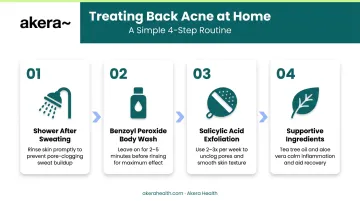
Shower right after sweating. This is the single most impactful habit change you can make. The AAD recommends prompt showering after exercise — waiting even an hour gives bacteria time to multiply in trapped sweat.
Switch to the right body wash. AAD's back acne guidance recommends benzoyl peroxide (2.5%–10%) washes — leave on the back for 2–5 minutes before rinsing. A 5.3% concentration kills acne-causing bacteria effectively while being less irritating than stronger formulas. The product must be non-comedogenic and fragrance-free.
Add chemical exfoliation 2–3 times per week. Salicylic acid (0.5%–2%) is a well-established OTC acne ingredient that clears clogged pores and sheds dead skin cells without the micro-tears physical scrubs cause. Skip loofahs and back brushes — the AAD explicitly advises against them for acne-prone skin.
Consider gentle supportive ingredients. Tea tree oil has shown antibacterial activity against acne-causing bacteria, and limited clinical studies support modest improvement in mild-to-moderate acne. Aloe vera may reduce redness and inflammation. Both are additions to proven actives, not replacements.
Clothing, Bedding, and Lifestyle Adjustments
- Wear loose-fitting cotton or moisture-wicking fabrics — synthetic, tight materials trap sweat and create friction that irritates follicles
- Wash pillowcases and bedsheets at least once a week
- Keep long hair clean and tied up during sleep and workouts to reduce oil and product transfer onto the back
Medical and Dermatological Treatments for Back Acne
When bacne is moderate-to-severe — especially if it involves cysts, nodules, or is leaving marks — at-home care isn't enough. At that stage, the skin needs more targeted clinical intervention to prevent permanent scarring.
Prescription Topical and Oral Treatments
The 2024 AAD clinical guidelines support the following dermatologist-directed options:
Topical treatments:
- Retinoids — Strongly recommended; normalise follicular keratinisation, prevent microcomedone formation, and reduce inflammation. Some retinoids (trifarotene, tazarotene) have been studied specifically for truncal acne including the back and shoulders
- Antibiotic gels/creams — Reduce bacterial load and inflammation; often combined with benzoyl peroxide to limit antibiotic resistance
Oral medications:
- Doxycycline — Conditionally recommended for inflammatory acne; typically dosed at 50–100 mg once or twice daily under a prescriber's guidance; works through both antibacterial and anti-inflammatory mechanisms
- Hormonal treatments — Combined oral contraceptives and spironolactone are conditionally recommended for women with hormone-driven acne, including those with PCOS-related breakouts
- Isotretinoin — Strongly recommended for severe acne, acne causing scarring, or cases that haven't responded to other therapies; requires clinician assessment and regular monitoring
Clinical Procedures
For persistent bacne and post-acne pigmentation, in-clinic procedures offer more measurable results than topicals alone.
Chemical peels using AHA/BHA formulations resurface skin, unclog pores, and reduce post-inflammatory pigmentation. At Akera Health, dermatologists use plant-based peeling solutions on the back and shoulders, with sessions customised to skin type and acne severity.
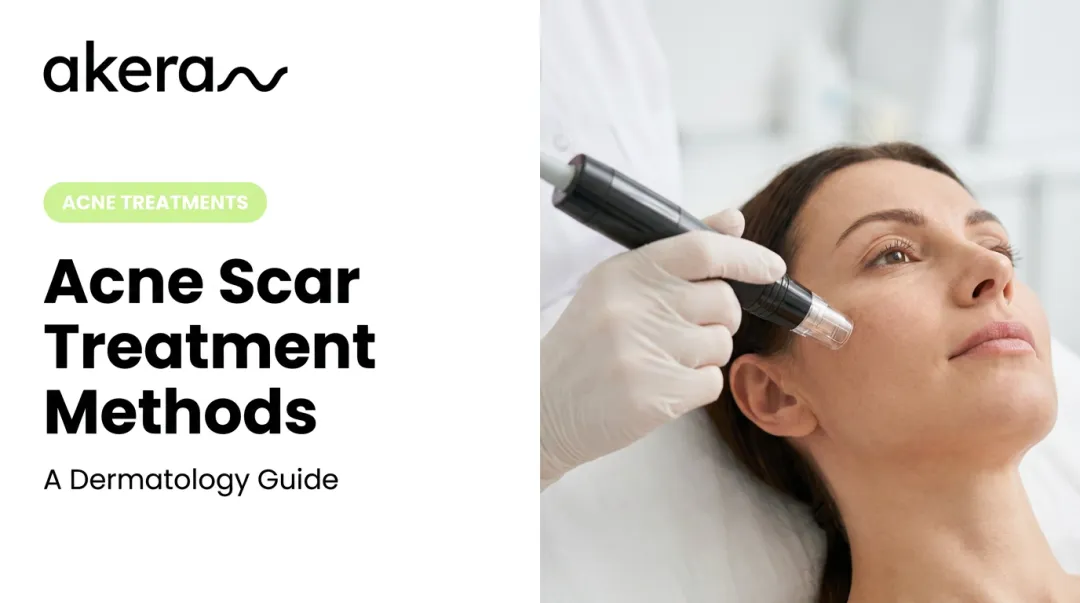
Morpheus8 Pro RF microneedling combines fine-needle microneedling with radiofrequency energy to stimulate collagen remodelling, making it particularly effective for bacne scarring. Sessions include a topical anaesthetic, and visible improvement typically begins within a few weeks.
Laser toning using the Tri Beam Q-switched Nd:YAG laser targets post-acne hyperpigmentation by breaking down excess melanin and stimulating collagen, helping achieve a more even skin tone after breakouts heal.
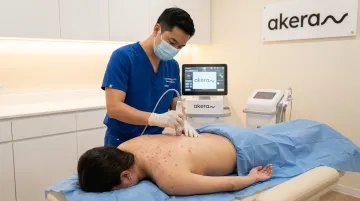
Akera Health's dermatologists build personalised treatment plans accounting for skin type, hormonal profile (including PCOS-specific considerations), and lifestyle — rather than applying the same protocol to every patient.
How to Prevent Back Acne from Coming Back
Clearing bacne is one challenge; keeping it clear is another.
Daily habits that reduce recurrence:
- Shower promptly after sweating — don't let sweat sit on skin
- Change out of workout clothes immediately after exercise
- Use only non-comedogenic, oil-free body products and sunscreens
- Apply broad-spectrum, lightweight sunscreen when exposing the back to the sun
Diet
A 2022 systematic review found high-glycaemic diets were positively associated with acne development and severity. High-glycaemic foods spike insulin, which increases sebum production. Dairy may also worsen acne in susceptible individuals, though results vary.
Rather than overhauling your entire diet, track whether flare-ups follow consumption of white bread, sugary drinks, or processed snacks.
Stress and Sleep
Stress worsens acne severity — elevated cortisol increases oil production and skin inflammation. Regular exercise, 7–9 hours of sleep, and basic stress management practices (even brief daily walks) can reduce how often breakouts return.
When Should You See a Dermatologist for Back Acne?
Don't wait until scarring sets in. Seek professional evaluation if you notice:
- No improvement after 6–8 weeks of consistent, correct at-home treatment
- Painful cysts or nodules — these should prompt earlier assessment, not waiting
- Acne spreading from the back to chest or shoulders
- Visible scarring or worsening skin texture
- Emotional distress that's affecting daily life or confidence
Nodular and cystic lesions can cause permanent scarring, so earlier intervention matters. Akera Health's dermatologists at HSR Layout and HRBR Layout in Bengaluru provide in-depth diagnosis and personalised treatment plans tailored to your skin type and concerns. Book a consultation at akerahealth.com/pages/contact or call +91 72044 88355.
Frequently Asked Questions
What causes pimples on the back?
Back pimples form when hair follicles become blocked by excess sebum, dead skin cells, and C. acnes bacteria. Sweat, friction from clothing or backpacks, hormonal changes, and skipping a post-workout shower all accelerate the process.
How to permanently cure back acne?
There's no single permanent cure. Acne is a chronic, relapsing condition. That said, consistent treatment — the right skincare routine, dietary awareness, and dermatologist guidance — can keep bacne under long-term control and dramatically reduce recurrence.
Is back acne a sign of a hormonal problem?
Hormonal fluctuations are a common trigger, especially during puberty, menstruation, pregnancy, or with conditions like PCOS. Back acne alone doesn't confirm a hormonal disorder — but persistent breakouts or accompanying symptoms are worth discussing with a dermatologist.
Does back acne go away on its own?
Mild, occasional bacne may improve with better hygiene habits. Moderate-to-severe or recurring acne rarely clears fully without targeted treatment — and untreated inflammatory acne tends to worsen and scar over time.
Can I treat back acne at home, or do I need a dermatologist?
Mild bacne often responds well to benzoyl peroxide body washes, salicylic acid exfoliants, and lifestyle adjustments. If you have cysts, nodules, or acne that hasn't improved after 6–8 weeks of consistent at-home care, see a dermatologist.
What ingredients should I look for in a body wash for back acne?
Look for benzoyl peroxide (kills bacteria), salicylic acid (unclogs pores), or glycolic acid (exfoliates dead skin). Choose products labelled non-comedogenic and fragrance-free. Benzoyl peroxide washes are the most specifically supported option for bacne by AAD guidance.