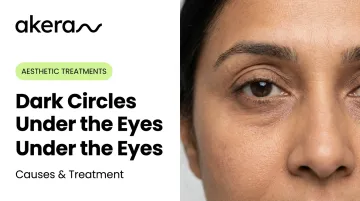
The good news: dark circles are rarely a medical concern. But they do have distinct causes — ranging from sleep patterns and dehydration to genetics and skin aging — and those causes determine which treatments actually work. Slapping a Vitamin C serum on structurally hollow under-eyes will achieve very little, just as fillers won't fix pigmented circles caused by UV exposure.
This article walks through the main causes, the four clinical types, home remedies with realistic expectations, and professional treatment options available for dark circles.
Key Takeaways
- Dark circles have six common causes: poor sleep, aging, genetics, UV exposure, dehydration, and nutritional deficiencies
- There are four clinical types: pigmented, vascular, structural, and mixed — each needs a different treatment approach
- Lifestyle changes manage mild cases; persistent dark circles typically need clinical treatment
- Chemical peels, laser toning, and dermal fillers offer more lasting, targeted results
- Dark circles under only one eye, or those worsening progressively, warrant a dermatologist visit
What Causes Dark Circles Under the Eyes?
Clinically known as periorbital hyperpigmentation (POH), dark circles refer to darkening of the skin beneath both eyes. They can appear brown, blue, purple, or black depending on your skin tone, and they're particularly common in people with darker skin tones — a 2016 review of data from 1,204 Indian women found moderate-to-severe dark circles in approximately 50% of participants.
Before jumping to treatment, it helps to understand the four clinical types:
| Type | Appearance | Primary Mechanism |
|---|---|---|
| Pigmented | Brown | Excess melanin (epidermal or dermal) |
| Vascular | Blue, purple, pink | Thin skin with visible underlying blood vessels |
| Structural | Skin-toned shadow | Tear trough, volume loss, or laxity |
| Mixed | Combined features | Two or more mechanisms overlapping |
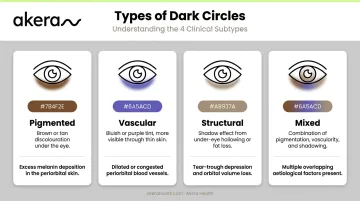
Dark circles rarely have a single cause — most cases involve overlapping factors.
Lack of Sleep and Eye Fatigue
Sleep deprivation can make skin appear paler, which makes underlying blood vessels more noticeable. A 2013 observer-rated study found that sleep-deprived faces appeared darker and more swollen — though larger studies have found no consistent objective change, making the relationship more complex than a simple "sleep less, look worse" equation.
Rubbing tired eyes adds another layer of damage: it breaks small capillaries and causes localised swelling, both of which worsen dark circles.
Aging and Genetics
Aging thins the skin and depletes collagen, fat, and elasticity — especially under the eyes. As this happens, blood vessels become more visible and hollows (tear troughs) form, casting shadows that read as dark circles even when pigmentation isn't the issue.
Heredity is one of the strongest measured risk factors. Family history was reported by 63% of a 200-patient Indian dermatology cohort and 71.9% of a Brazilian study cohort — making heredity one of the strongest measured risk factors for dark circles.
Sun Exposure and Hyperpigmentation
UV exposure stimulates excess melanin production in the under-eye area, producing the classic pigmented dark circle. People with medium-to-dark Indian skin tones are particularly susceptible — higher baseline melanin produces more persistent pigment responses to UV, making sun protection especially critical.
Dehydration, Poor Nutrition, and Lifestyle Factors
Dehydration makes under-eye skin look dull and sunken. Nutritional gaps can also contribute:
- Vitamin B12 deficiency has direct association data with periorbital hyperpigmentation
- Iron deficiency may affect tissue oxygenation and skin pallor
- Vitamin C supports collagen production; deficiency weakens skin structure
- Vitamin K is linked to blood vessel integrity
Lifestyle factors — chronic stress, smoking, and excessive alcohol — reduce circulation and accelerate skin ageing, compounding these effects.
Allergies and Skin Conditions
Allergic rhinitis triggers histamine release, which causes nasal congestion and dilates blood vessels. This leads to venous pooling beneath the eyes — the classic "allergic shiner." Eczema and contact dermatitis can produce similar darkening through repeated inflammation and skin trauma.
Signs Your Dark Circles Are Getting Worse
Most dark circles are benign. But certain signs suggest you should seek professional advice rather than trying more home remedies:
- No improvement after sleep and hydration — if dark circles persist despite consistent lifestyle improvements, the cause is likely structural, genetic, or pigment-based
- Increasing hollowing or puffiness under the eyes, indicating progressive volume loss
- Darkening under only one eye — this warrants a doctor's visit, as unilateral changes can have underlying causes that need evaluation
- Systemic symptoms Systemic symptoms such as persistent fatigue, pallor, or other unexplained changes, which may suggest a nutritional deficiency or systemic issue
The Mayo Clinic notes that dark circles appearing under only one eye — particularly if they worsen over time — should always be medically reviewed.
More broadly, if your dark circles are darkening despite consistent lifestyle changes, the underlying cause likely goes beyond what home remedies can address. A dermatologist can identify whether pigmentation, volume loss, or vascular changes are at play — and recommend a targeted treatment plan from there.
How to Get Rid of Dark Circles at Home
Home care works best for mild-to-moderate dark circles tied to sleep, hydration, or sun exposure. These aren't permanent solutions, but they're the right starting point for most people.
Sleep, Hydration, and Diet
Adults need 7–9 hours of quality sleep per night. Sleeping with your head slightly elevated can help reduce fluid pooling. Alongside that:
- Drink enough water throughout the day — dehydrated skin emphasises under-eye hollows
- Eat foods rich in Vitamin C (citrus, guava), Vitamin K (leafy greens), iron (legumes, meat), and Vitamin B12 (dairy, eggs, fish)
Cold Compresses and Topical Remedies
For quick, temporary improvement:
- A cold wet cloth or chilled compress applied for 10–15 minutes constricts dilated blood vessels and reduces puffiness — the Mayo Clinic recommends this specifically for visible vessel-related darkness
- Caffeinated tea bags (chilled) are widely used, though direct clinical evidence for periorbital use is limited
- Aloe vera gel and almond oil with Vitamin E may improve hydration and reduce the appearance of dark circles with consistent use over time
These remedies work best alongside good sleep and skincare habits — not as standalone fixes.
Skincare Ingredients That Actually Help
When shopping for eye creams or serums, look for these evidence-backed ingredients:
- Retinol — boosts collagen and thickens thinning under-eye skin
- Vitamin C — brightens and reduces surface pigmentation
- Caffeine — has some evidence for reducing periorbital oedema
- Hyaluronic acid — improves hydration and plumps the skin (note: it doesn't lighten melanin)
- Vitamin K — often used in multi-ingredient formulas targeting vascular circles
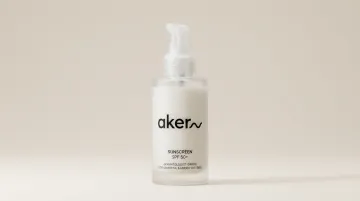
Broad-spectrum SPF 30 or higher applied daily is non-negotiable — especially for Indian skin tones, where UV-triggered pigmentation is a primary cause of dark circles. Akera Health's Akera Sunscreen (SPF 50+, ₹1,299) is available in formulations for oily/combination, normal, and dry/sensitive skin. The dry/sensitive variant is the gentlest option for applying near the delicate under-eye area.
Reducing Lifestyle Triggers
- Cut back on alcohol, which impairs circulation and speeds up skin ageing
- Quit smoking — nicotine constricts blood vessels and accelerates collagen breakdown
- Manage stress through exercise, yoga, or other consistent practices; chronic stress disrupts sleep and worsens under-eye appearance
When to See a Dermatologist: Medical Treatments for Dark Circles
Home remedies hit a ceiling. For dark circles driven by deep pigmentation, significant volume loss, or genetics, professional dermatological treatments offer more targeted, longer-lasting outcomes. The key is matching the treatment to the type.
Chemical Peels
A 2016 randomised Indian study of 90 patients found that 20% glycolic peels delivered more than 50% improvement in 73% of patients at 12 weeks — outperforming both lactic acid peels and daily topical Vitamin C. This is the strongest direct clinical evidence for any POH treatment in an Indian population.
At Akera Health, chemical peels use plant-based exfoliating solutions — better suited to Indian skin tones than standard glycolic acid, where aggressive peels risk triggering post-inflammatory hyperpigmentation (PIH). The process covers cleansing, eye protection, solution application, neutralisation, and a cold compress finish. Sessions start from ₹3,000, with results typically visible within a few days.
Laser Toning
Laser treatments target melanin deposits and stimulate collagen production, making them effective for both pigmented and vascular dark circles. A 2021 systematic review of 10 clinical trials reported generally favourable responses from laser therapy for periorbital hyperpigmentation.
Akera Health uses the FDA-approved Tri Beam Q-switched Nd:YAG laser for laser toning. The 1064nm Nd:YAG wavelength is the category dermatology literature favours for darker skin types, given its lower risk of pigment alteration compared to shorter-wavelength lasers — relevant for Indian skin specifically. Sessions start from ₹5,500, and multiple sessions are standard for lasting improvement.
Dermal Fillers
Structural dark circles (the shadow-casting hollows from volume and collagen loss) don't respond to pigment treatments. The solution is volume restoration.
Hyaluronic acid fillers injected into the tear trough area correct the hollow directly. Literature summarised in a 2025 study reports an average effect duration of 10.8 months, typically within an 8–12 month range. Akera Health offers premium FDA-approved hyaluronic acid dermal fillers, with results visible immediately (minor swelling subsides within approximately two weeks).
Skin Boosters
For dark circles linked to dehydration and skin dullness rather than pigmentation, hyaluronic acid skin boosters deliver deep hydration and improve skin luminosity from within. This is a useful adjunct treatment, particularly for patients whose under-eye area looks tired and flat rather than distinctly discoloured.
Personalized Treatment at a Dermatology Clinic
The most effective dark circle outcomes come from accurate classification first, treatment second. A dermatologist will assess several factors before building a protocol:
- Your skin tone and sensitivity
- The type of dark circles (pigmented, vascular, or structural)
- Contributing factors such as genetics, dehydration, or volume loss
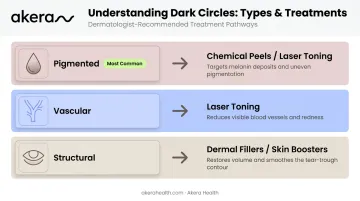
This matters because pigment treatment cannot correct a tear trough, and filler cannot remove melanin.
At Akera Health in Bengaluru, all treatments for pigmentation and periorbital concerns are supervised by Dr. Lavina Mittal (MBBS, MD), Medical Director, with specialisation in melasma, hyperpigmentation, and skin rejuvenation. The clinic has completed 5,000+ sessions and holds a 4.9/5 Google rating from 350+ reviews.
Book a consultation at akerahealth.com/pages/contact.
Long-Term Habits to Prevent Dark Circles
Prevention is simpler than treatment. These habits, done consistently, significantly reduce recurrence:
- Maintain 7–9 hours of sleep on a consistent schedule
- Apply broad-spectrum SPF daily — including indoors, since UV penetrates windows
- Stay well-hydrated and eat a balanced diet rich in iron, Vitamins C, K, and B12
- Limit screen time and take regular breaks to reduce eye strain
- Avoid smoking and keep alcohol consumption moderate
- Schedule periodic dermatologist check-ins, especially if you have a genetic predisposition or darker skin tone — pigmentation shifts gradually, and early adjustments to your routine are far easier than corrective treatment later
Consistency matters more than any single product or treatment. If you notice persistent darkening despite these habits — particularly if you have a darker skin tone or a family history of periorbital pigmentation — a dermatologist can assess whether underlying causes like vascular pooling, post-inflammatory hyperpigmentation, or structural hollowing need targeted intervention. At Akera Health, consultations include a personalised skin analysis to identify what's actually driving your dark circles before recommending any treatment path.
Frequently Asked Questions
How do I remove dark eye circles?
Mild cases respond to better sleep, hydration, cold compresses, and targeted eye creams with ingredients like retinol or Vitamin C. Persistent dark circles from pigmentation, volume loss, or genetics typically require professional treatments — chemical peels, laser toning, or fillers — prescribed after a dermatologist assesses the type.
What are the main causes of dark circles?
Common causes include poor sleep, aging-related skin thinning, genetics, UV-induced hyperpigmentation, dehydration, nutritional deficiencies (Vitamin B12, iron, C, and K), allergies causing venous pooling, and lifestyle factors like smoking and alcohol.
Are dark circles permanent?
Those caused by lifestyle factors — poor sleep, dehydration — are often temporary and improve with habit changes. Dark circles from genetics, structural volume loss, or deep pigmentation are more persistent, but can be significantly reduced with the right dermatological treatment.
What deficiency causes dark circles under the eyes?
Vitamin B12 deficiency has the strongest association with periorbital darkening. Iron deficiency affects tissue oxygenation, while Vitamins C and K deficiencies impair collagen production and blood vessel integrity — all commonly linked to dark circles.
Can dark circles be a sign of a serious health problem?
Dark circles under both eyes are usually benign. However, darkening or swelling under only one eye, or dark circles accompanied by persistent fatigue, pallor, or other unexplained symptoms, should be evaluated by a doctor to rule out underlying conditions.
How long does it take for dark circle treatments to show results?
Topical creams typically take 6–12 weeks of consistent use to show results. Chemical peels work faster, while laser therapy shows outcomes over 4–6 months of sessions. A dermatologist can give you a realistic timeline based on your specific type and severity.