The good news: sun tan is not permanent, and modern dermatological treatments can effectively reverse it. But with so many options available — creams, parlour de-tan facials, laser sessions, chemical peels — knowing what actually works, at what cost, and within what timeline makes all the difference.
This article covers the four main professional tan removal treatments, realistic results and timelines, current cost ranges in Bengaluru, and how to protect your results long-term.
Key Takeaways
- Sun tanning is driven by melanin overproduction and won't fully reverse without targeting pigment beneath the skin's surface
- Laser toning (Q-switched Nd:YAG) and chemical peels are the most effective clinical options for moderate to severe tanning
- Per-session costs in Bengaluru range from approximately ₹1,500 for light peels to ₹9,000 for laser toning
- SPF 30+ sunscreen applied daily is the single most important step to maintain treatment results
- A dermatologist consultation is essential — what looks like a tan may be melasma or hormonal pigmentation
What Causes Sun Tanning and Why It Doesn't Fade on Its Own
When UV rays hit your skin, melanocytes respond by producing excess melanin — the pigment that gives skin its colour. According to the WHO, UVA rays rapidly darken existing melanin, causing a quick tan that may fade relatively fast. UVB rays trigger new melanin production, creating a delayed tan that takes days to develop and lingers considerably longer.
Indian skin tones naturally have a higher eumelanin-to-pheomelanin ratio, meaning melanin disperses more deeply across skin layers and resists natural breakdown. This is why tanning tends to be more pronounced and persistent in our skin compared to lighter phototypes.
Why Waiting It Out Rarely Works
Human epidermal turnover takes 40–56 days — meaning it takes well over a month for the outermost tanned skin cells to shed naturally. And if you're stepping outside daily without adequate sun protection, fresh melanin production is being triggered constantly, keeping pigmentation topped up before the old cells can clear.
This cycle is hard to interrupt without targeted intervention. The two most common approaches fall short in different ways:
- OTC creams work only on surface cells, leaving melanin in deeper skin layers untouched
- Waiting it out fails if daily sun exposure keeps triggering fresh pigmentation before old cells shed
Professional treatments — chemical peels, laser toning, and similar options — target melanin at the source, which is why they produce outcomes home remedies consistently cannot.
Best Tan Removal Treatments Recommended by Dermatologists
Effective tan removal targets excess melanin beneath the outermost skin layer — surface exfoliation alone won't address deeper pigmentation. The right treatment depends on tan severity, skin type, and individual factors. Here's how the main clinical options compare.
Laser Toning (Q-Switched Nd:YAG)
Laser toning works by delivering targeted light energy into the skin. The Q-switched Nd:YAG laser emits rapid pulses that break down excess melanin deposits without damaging surrounding tissue — the body then clears these fragments naturally.
At Akera Health, this is performed using the FDA-approved TriBeam Q-switched Nd:YAG laser, which addresses hyperpigmentation, melasma, acne scars, and uneven skin tone. Sessions feel like mild warmth or a light snapping sensation — not significantly painful. Redness typically resolves within a few hours, and there's no downtime.
Laser toning is widely considered the most effective option for moderate to severe tanning. Collagen stimulation has been documented with laser protocols, though this effect is more consistently seen in fractional laser treatments than in standard low-fluence toning.
What to expect session-wise: A 2022 systematic review of over 1,700 patients found that Q-switched Nd:YAG protocols for pigmentation typically require 5–15 sessions, commonly around 10. Session count for tan removal specifically varies by individual — your dermatologist will advise based on your skin's response.
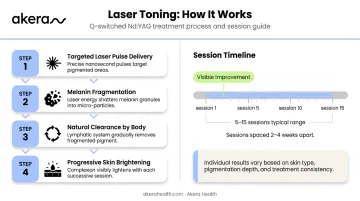
Patient Neeru Kaur, treated at Akera Health for melasma, noted: "I've been getting laser toning done and seeing a great difference. The doctors perform the procedures themselves so I feel very safe."
Chemical Peels
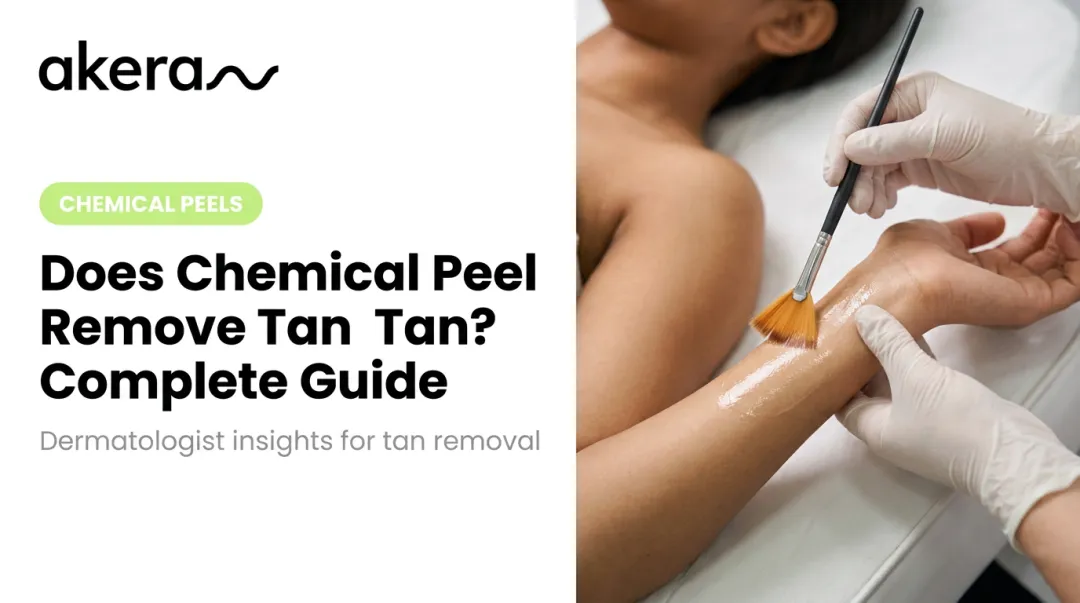
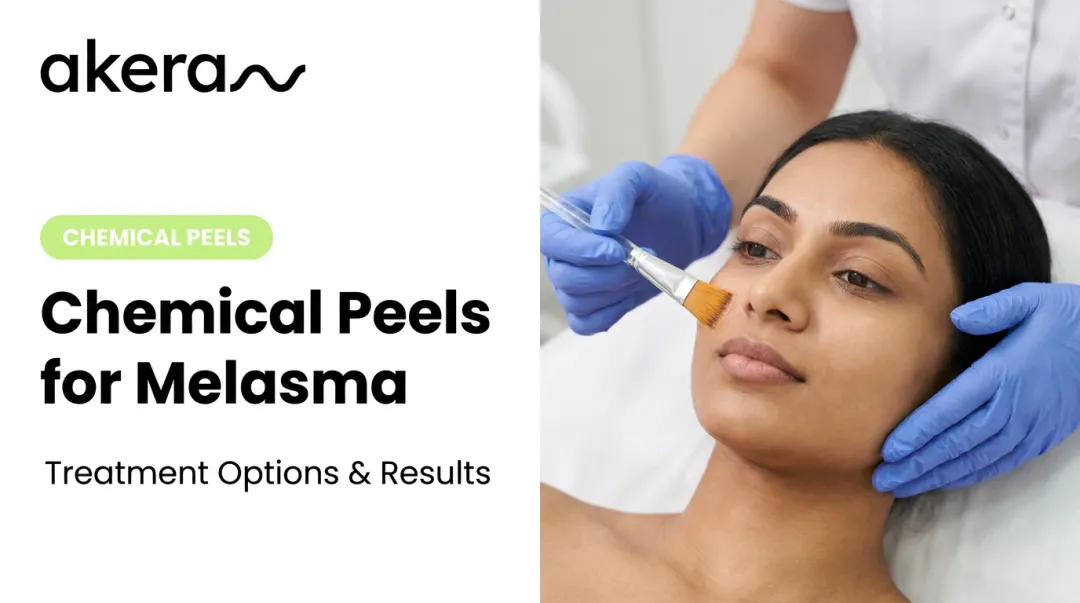
Chemical peels use controlled acid solutions — glycolic, lactic, or TCA — to exfoliate the pigmented outer layers of skin, revealing more even-toned skin beneath. Peel strength is calibrated to each patient's tan severity and skin sensitivity.
At Akera Health, board-certified dermatologists apply plant-based peel solutions using a structured five-step protocol:
- Cleansing the skin
- Applying eye protection
- Peel solution application
- Neutralisation
- Cold compress to soothe
Mild peeling or redness may occur for a few days post-treatment, and results can be visible within 7–10 days following a session.
A 2025 Indian clinical trial found that four peel sessions at two-week intervals produced significant MASI score reductions in pigmentation patients. Expect 4–6 sessions for noticeable, sustained tan reduction.
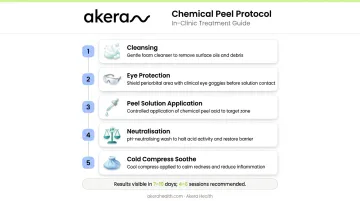
Chemical peels start from ₹3,000 per session at Akera Health.
Microdermabrasion
Microdermabrasion is a physical exfoliation procedure — a diamond-tipped handpiece or crystal spray gently removes the outermost tanned skin cells. Virtually painless with no downtime, it suits those with milder or surface-level tanning.
Results per session are subtler than laser or peels, but a consistent series improves skin brightness and texture noticeably. The American Academy of Dermatology recommends 5–16 sessions for visible improvement, scheduled weekly to monthly. It's a good entry point for those with sensitive skin or lighter tanning.
Photo-Facial / IPL (Intense Pulsed Light)
IPL uses broad-spectrum light to heat and destroy excess melanin, targeting tan, pigmentation, and sunspots simultaneously. It typically requires 3–6 sessions at 2–4 week intervals and involves minimal downtime — mild redness for a few hours post-treatment.
Important caveat: IPL carries greater risk of dyschromia, blistering, and post-inflammatory pigmentation in darker Fitzpatrick skin types (III–VI), which are common in Bengaluru. A dermatologist's assessment is non-negotiable before considering IPL for Indian skin.
Note: Akera Health currently addresses tan and pigmentation concerns primarily through laser toning and chemical peels. For IPL availability, contact the clinic directly.
What Results Can You Expect and How Long Does It Take?
Results depend on tan severity, treatment chosen, skin type, and how consistently you use sun protection between sessions. Professional treatment delivers meaningfully better outcomes than over-the-counter options, though results build gradually across sessions.
Approximate Timelines by Treatment
| Treatment | Initial Improvement | Full Results |
|---|---|---|
| Laser Toning | Often visible after 1st–2nd session | After 8–12+ sessions (varies by severity) |
| Chemical Peels | Noticeable after 1–2 sessions | After 4–6 sessions |
| Microdermabrasion | Gradual improvement across sessions | After 5–10+ sessions |
| IPL | Within a few sessions | 3–6 sessions |
Tan vs. Stubborn Pigmentation — Know the Difference
If dark patches aren't responding to consistent treatment, it may not be a simple tan. Melasma is driven by hormonal triggers and UV exposure, while post-inflammatory hyperpigmentation (PIH) follows skin injury or inflammation. Both require different protocols and should not be self-treated.
At Akera Health, Dr. Lavina Mittal (MBBS, MD) begins every case with an in-depth skin analysis before recommending any treatment. The focus is on addressing root-cause pigmentation rather than lightening the surface temporarily — because sustainable results require the right diagnosis first.
Tan Removal Treatment Cost in Bengaluru
Pricing depends on the clinic's technology and expertise, the treatment type, the number of sessions required, and the area being treated (face, neck, hands, or full body).
Indicative Per-Session Costs in Bengaluru
| Treatment | Approximate Cost Per Session |
|---|---|
| Laser Toning (Q-switched Nd:YAG) | ₹2,500–₹9,000 (Akera Health: from ₹5,500) |
| Chemical Peels | ₹1,500–₹3,500 (Akera Health: from ₹3,000) |
| Microdermabrasion | Varies by clinic — consult for current rates |
| IPL / Photo-Facial | Varies by clinic — consult for current rates |
These are indicative ranges based on current Bengaluru market data. A clinic consultation will provide an accurate, personalised estimate.
Per-Session Price vs. Total Treatment Cost
Per-session price tells only part of the story. A dermatologist-recommended plan of 4–10 sessions delivers lasting results; a one-off parlour de-tan facial addresses the surface only — and tan returns within weeks.
Here's how the options compare:
- Parlour de-tan / OTC creams: Lower upfront cost, temporary results, no dermatologist oversight
- In-clinic professional treatment: Higher per-session cost, long-term correction, personalised plan
- Multi-session clinic plan: Most cost-effective for moderate to severe tanning when measured against total outcome
At Akera Health, treatment plans are personalised to each patient's goals and budget. With 5,000+ sessions completed and a 4.9/5 Google rating across 350+ reviews, the clinic's track record reflects consistent, dermatologist-supervised results — not just competitive pricing.
Post-Treatment Care and Sun Protection Tips
After a laser toning or chemical peel session, your skin is more photosensitive than usual — meaning sun exposure can undo results quickly. The right aftercare routine makes the difference between lasting clarity and recurring tan.
Immediate Aftercare (First 7–10 Days)
- Avoid direct sun exposure for at least a week after laser or peel sessions
- Use a broad-spectrum SPF 30+ sunscreen applied 15–20 minutes before going outdoors, reapplied every 2 hours
- Skip harsh scrubs, retinoids, and AHAs until skin has settled post-treatment
- Keep skin gently moisturised during the healing phase
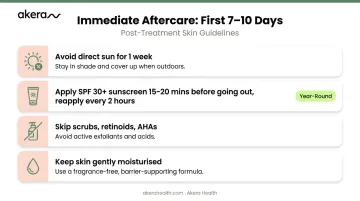
Year-Round Sun Protection
Sunscreen is non-negotiable beyond summer. Research has shown that ordinary glass transmits approximately 74% of UVA radiation while blocking UVB — meaning you're getting UV exposure at your desk or in your car without realising it.
For daily protection in Bengaluru's climate, Akera Health's Sunscreen SPF 50+ is available in variants for oily/combination, normal, and dry/sensitive skin — formulated for regular use without heaviness or residue.
Supporting Habits
- Wear full-sleeved clothing and hats during peak sun hours (10 AM–4 PM)
- Include Vitamin C-rich foods (citrus, amla) and beta-carotene sources (carrots, tomatoes) to support skin cell renewal
- Stay hydrated — skin hydration supports overall skin health and recovery
How to Choose the Right Tan Removal Treatment for Your Skin Type
There's no universal "best" treatment. The right choice depends on tan severity, skin type, area being treated, and your tolerance for downtime.
Quick Reference Guide
| Tan Severity | Recommended Treatment |
|---|---|
| Mild/surface tan | Microdermabrasion or light chemical peel |
| Moderate tan | Chemical peel or laser toning |
| Deep/stubborn tan | Laser toning or combination approach |
| Uneven pigmentation/sunspots | Laser toning; IPL if suitable skin type |
Why Professional Diagnosis Matters
What looks like a tan might be melasma, PIH, or hormonal pigmentation. These don't respond to standard tan removal protocols and can worsen with aggressive treatment. A dermatologist can distinguish between these conditions through clinical assessment, which no parlour consultation or online quiz can replicate.
At Akera Health (HSR Layout and HRBR Layout, Bengaluru), Dr. Lavina Mittal evaluates each patient's skin type, genetics, lifestyle, and degree of tanning before recommending a customised plan. Patient Geeta noted: "The dermatologist is highly skilled, honest, and takes time to explain everything clearly. What I really appreciate is how ethical and economical the clinic is." Consultations can be booked at akerahealth.com.
Frequently Asked Questions
Which is the best treatment for tan removal?
For moderate to severe tanning, dermatologists most commonly recommend laser toning or chemical peels. Mild surface tanning may respond well to microdermabrasion or a light peel. The best option depends on your skin type, tan severity, and individual factors — a dermatologist can assess these in person and recommend the right protocol for you.
What's the fastest way to remove tan?
Laser toning offers the fastest visible results with no downtime — many patients notice brightening after the first session. Chemical peels also show rapid improvement, though mild peeling may occur for a few days. Home remedies work slowly and are only realistic for very mild tanning.
Is it possible to remove 100% of a tan?
With consistent professional treatment and diligent sun protection, it's possible to restore your skin's original tone significantly — in many cases completely. However, re-exposure to UV without protection will cause tanning to return, so daily SPF use between sessions is non-negotiable.
How many sessions does tan removal treatment take?
Session count varies by treatment and tan severity. Laser toning typically involves 5–15 sessions; chemical peels commonly require 4–6. Your dermatologist will adjust this based on how your skin responds after early sessions.
Is tan removal treatment safe for dark Indian skin types?
Laser toning (Q-switched Nd:YAG) and customised chemical peels are used safely on Indian skin tones when performed by a trained dermatologist. The key is that laser settings, peel strength, and session spacing must be tailored to your specific Fitzpatrick skin type — this is why clinical supervision matters.
What is the cost of tan removal treatment in Bengaluru?
Laser toning in Bengaluru typically ranges from ₹2,500–₹9,000 per session; chemical peels from ₹1,500–₹3,500. At Akera Health, laser toning starts from ₹5,500 and chemical peels from ₹3,000. A consultation will provide an accurate estimate based on your skin concern and treatment plan.