The lips are uniquely vulnerable. The vermilion (the visible lip surface) has only 3–5 cellular layers compared to roughly 16 in facial skin, lacks oil glands entirely, and has significantly lower melanin content than surrounding skin. This thinner structure makes lips more susceptible to pigment changes from even everyday triggers.
The good news: lip pigmentation is manageable once you know what's driving it. The right treatment — whether that's a simple SPF habit, a targeted ingredient, or a clinical procedure — depends entirely on the root cause.
Key Takeaways
- Lip pigmentation happens when melanocytes overproduce melanin; sun exposure and smoking are the most common, well-documented triggers
- Mild pigmentation often responds to daily SPF protection, hydration, and consistent use of brightening ingredients
- Brightening ingredients like Vitamin C, kojic acid, and alpha arbutin can reduce melanin production — but expect visible results only after several weeks of consistent use
- Clinical treatments (chemical peels, laser therapy) deliver faster results for stubborn pigmentation but carry risks, particularly for darker Indian skin tones
- Long-term control depends on daily SPF use, lifestyle habits, and correcting nutritional deficiencies like low B12 or iron
Common Causes of Lip Pigmentation
Melanocytes in the lip's basal skin layer produce melanin in response to various triggers. Because lip skin is thinner, has a weaker barrier, and contains less natural melanin than facial skin, it reacts more dramatically to those triggers than you might expect.
Pigmentation rarely comes from one cause alone — overlapping factors are common. Identifying the primary driver matters before starting any treatment.
Sun Exposure and UV Damage
UV radiation stimulates tyrosinase, the enzyme that controls melanin synthesis. Lips have no equivalent to the melanin "buffer" that facial skin builds up over time, making them particularly exposed to UV damage with no natural defence.
Bengaluru's UV index regularly reaches extreme levels — a concern the city's dermatologists have flagged publicly. Without an SPF lip balm, daily sun exposure accumulates into visible darkening over weeks and months. This is the most common and most reversible cause of lip pigmentation.
Smoking and Tobacco Use
The data here is striking. A study of 109 smokers and 109 non-smokers found lip pigmentation in 100% of smokers versus 31.2% of non-smokers — a sevenfold difference in mean pigmentation scores. Nicotine and benzpyrene directly stimulate melanocyte activity in lip tissue, and pigmentation severity increases with both duration and frequency of smoking.
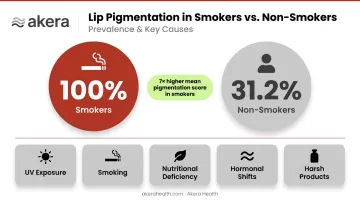
This pattern — called smoker's melanosis — tends to worsen gradually and is often the most visually distinctive form of lip darkening.
Nutritional Deficiencies and Hormonal Shifts
Some causes of lip darkening are internal, not topical:
- Low vitamin B12 can affect skin cell turnover and circulation, contributing to hyperpigmentation; topical treatments alone won't resolve a deficiency-driven cause
- Hormonal shifts during pregnancy, menstrual cycles, or contraceptive use raise oestrogen and progesterone, triggering melanin production in a pattern similar to melasma
The evidence linking iron deficiency directly to lip darkening is weaker than often claimed. If deficiency is suspected, a blood test is the right first step.
Harsh Products and Skin Irritants
A 2024 systematic review on pigmented contact cheilitis identified allergens including ricinoleic acid and gum ester as triggers for lip pigmentation — though only seven published cases met inclusion criteria, so this remains a real but relatively uncommon cause.
More practically:
- Lip products containing fragrances, dyes, or metals can trigger post-inflammatory hyperpigmentation over time
- Chronic lip licking strips the natural barrier, increasing sensitivity and dull appearance
- Severely chapped or dehydrated lips lose their protective function, making them more reactive to any additional irritant
If your lip darkening worsened after switching products or during a period of dryness, an irritant reaction is worth ruling out before reaching for a brightening treatment.
When Lip Pigmentation Needs a Dermatologist
Lip darkening is usually cosmetic — but certain patterns warrant professional evaluation rather than home care.
Warning Signs to Watch For
Seek a dermatologist if you notice any of the following:
- Sudden darkening with no identifiable lifestyle trigger
- Pigmentation that changes shape, grows, or spreads beyond the lip border
- Bluish or dark patches that persist despite good hydration and sun protection
- Darkening accompanied by systemic symptoms — fatigue, weight loss, abdominal discomfort, or dizziness — which can signal Addison's disease affecting the lip border
- Childhood-onset blue-brown macules around the lips with a family or gastrointestinal history — a pattern linked to Peutz-Jeghers syndrome
- Pigmentation that began after starting a new medication — minocycline, zidovudine, and valproic acid are among documented culprits
When any of these signs are present, a clinical diagnosis should come before treatment — not after.
How to Treat Lip Pigmentation at Home
Home treatment is appropriate for mild-to-moderate pigmentation with a clear lifestyle cause. Results take weeks to months — consistency matters more than intensity. Always patch-test any new ingredient, since lip skin is thin and sensitive.
Natural Ingredients That May Help
| Ingredient | Proposed mechanism | Caution |
|---|---|---|
| Aloe vera (aloesin) | Inhibits tyrosinase and reduced UV-induced pigmentation in general skin studies | No dedicated lip trial exists |
| Honey | Humectant and emollient properties; supports skin barrier | No clinical brightening evidence specific to lips |
| Lemon juice | Citric acid exfoliates surface cells | Risk of phytophotodermatitis with sun exposure — use with caution and always moisturise after |
A gentle sugar and honey scrub used 1–2 times a week can remove dead surface cells and improve lip texture. Follow with a nourishing balm. Over-scrubbing is counterproductive and worsens sensitivity.
Topical Ingredients Worth Looking For
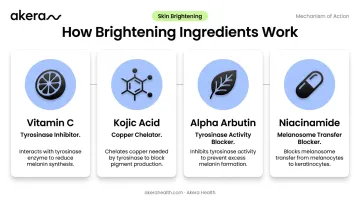
These ingredients inhibit melanin production or reduce melanosome transfer — though existing evidence comes from general skin studies, not dedicated lip trials:
- Vitamin C — interacts with the tyrosinase enzyme and reduces oxidised pigment intermediates
- Kojic acid — chelates the copper required by tyrosinase to produce melanin
- Alpha arbutin — inhibits tyrosinase; evidence is mainly in vitro and general skin
- Niacinamide — blocks melanosome transfer to keratinocytes; a facial-skin study found change from four weeks of use
Apply an SPF 50+ lip balm daily — including on cloudy days — and reapply every two hours when outdoors. India's UV index is high year-round, and skipping sun protection continuously triggers fresh melanin production, undoing any brightening progress.
Clinical Treatments for Stubborn Lip Pigmentation
When pigmentation is deep, chronic, or tied to post-inflammatory hyperpigmentation or hormonal drivers, home care produces limited results. Clinical treatments reach deeper skin layers and deliver faster, more visible change.
That said, lip skin is thin and sensitive. All clinical lip pigmentation treatments must be performed or supervised by a qualified dermatologist — incorrect peel application or laser energy can cause burns, scarring, or worsening pigmentation. This is especially relevant for darker Indian skin tones.
Chemical Peels
Medical-grade chemical peels — including glycolic acid, lactic acid, and mandelic acid — exfoliate pigmented outer layers of lip skin and stimulate cell turnover. A 2022 dermatology perspective identifies mandelic, lactic, and glycolic acids as preferred options for lip pigmentation and rejuvenation.
For individuals with Indian skin tones (Fitzpatrick IV–VI), superficial peels are generally preferred. Deeper peels increase the risk of post-inflammatory hyperpigmentation, which can leave the lips darker than before treatment.
At Akera Health, chemical peel protocols are personalised by board-certified dermatologists — peel strength and frequency are determined based on your skin type, pigmentation severity, and lifestyle rather than a one-size-fits-all approach. Sessions start from ₹3,000.
Laser Therapy
Q-switched lasers deliver targeted energy that breaks down excess melanin deposits without damaging surrounding tissue.
The results data from a pilot study of 24 women with Fitzpatrick III–V skin using a 532-nm Q-switched Nd:YAG laser over a median of four sessions: 58.3% achieved moderate-to-excellent improvement. But 25% worsened or developed mottling at three-month follow-up. This trade-off is real and worth understanding before choosing laser treatment.
Akera Health uses the TriBeam Q-switched Nd:YAG laser for laser toning, with sessions starting from ₹5,500. A pre-treatment consultation determines suitability based on your skin tone, pigmentation type, and medical history — an essential step given the variable outcomes in darker skin tones.
Dermatologist-Prescribed Topicals
A dermatologist may also prescribe stronger topical formulations — modified retinoids or targeted brightening compounds — either as standalone treatment or to maintain results between clinic sessions. These are significantly more potent than over-the-counter products and should not be self-administered.
At Akera Health, prescription topicals are recommended only where clinically indicated, based on your pigmentation type and how your skin has responded to prior treatment.
How to Prevent Lip Pigmentation Long-Term
Even after successful treatment, lips stay vulnerable to pigmentation returning without consistent daily care. Prevention isn't a one-time step — it's a routine you build and maintain.
The four pillars:
- Daily SPF protection — use an SPF 30+ lip balm every day, including indoors near windows. UV is the most consistent re-triggering factor, and it accumulates silently
- Hydration and barrier support — ingredients like shea butter, hyaluronic acid, or Vitamin E help maintain the lip's protective barrier; compromised lip skin pigments more easily
- Lifestyle adjustments — quitting or reducing smoking makes the most significant difference for smoker's melanosis. Switching to fragrance-free, dermatologist-approved lip products reduces ongoing contact irritation
- Address internal causes — if iron, B12 deficiencies or hormonal imbalances are suspected, periodic blood work is worth discussing with your doctor. Topical treatment alone won't resolve pigmentation rooted in nutritional or hormonal factors
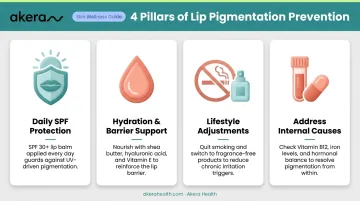
Consistency across all four areas matters more than any single product or habit. The more protection you build into your daily routine, the less likely pigmentation is to return.
Conclusion
Lip pigmentation is manageable — but the path forward depends on knowing what's causing it. Here's a quick recap of what matters most:
- Sun exposure and smoking are the most strongly supported external triggers
- Nutritional deficiencies and hormonal shifts can contribute internally
- Harsh products and chronic irritation play a supporting role over time
Mild pigmentation often responds to consistent home care: daily SPF, barrier-supportive hydration, and ingredients that gently inhibit melanin production. Persistent or deeper pigmentation responds better to clinical treatments, such as chemical peels or laser therapy performed under dermatologist supervision, with careful consideration of your skin tone and pigmentation type.
If your lip darkening is sudden, changing in shape, or comes with other symptoms, a dermatologist visit should come before any treatment. Early professional guidance leads to safer, faster, and more lasting results.
For a personalised assessment in Bengaluru, Akera Health's dermatology team offers consultations at their HSR Layout and HRBR Layout locations. You can book through akerahealth.com or call +91 72044 88355.
Frequently Asked Questions
How do I get rid of pigmentation on my lips?
Start with daily SPF 30+ lip protection, consistent hydration, and topical brightening ingredients like Vitamin C, aloe vera, or gentle exfoliation 1–2 times weekly. For persistent pigmentation that doesn't improve over 6–8 weeks, chemical peels or laser therapy under dermatologist supervision deliver more effective and faster results.
What deficiency causes lip darkening?
Vitamin B12 deficiency is the most consistently documented nutritional cause, with case reports describing hyperpigmentation across multiple skin areas. Iron deficiency is sometimes associated anecdotally, though direct evidence for lip darkening is weaker. A blood test can confirm any deficiency — correcting it through diet or supplementation works best alongside topical care.
Can lip pigmentation be reversed permanently?
Most UV-triggered and lifestyle-related pigmentation can be significantly faded with consistent treatment and prevention. Pigmentation tied to hormonal conditions or genetics may require long-term management rather than a one-time fix, so maintenance habits remain essential even after successful treatment.
Does smoking permanently darken lips?
Not necessarily. Quitting smoking removes the primary melanin-stimulating trigger, and when combined with targeted topical or clinical treatment, noticeable improvement is possible over several months. The longer the smoking history, the more gradual the improvement — but reversal is achievable in many cases.
How long does it take to see results from lip pigmentation treatment?
Home remedies and topical products typically show subtle improvement over 4–8 weeks with daily, consistent use. Chemical peels and laser therapy can show visible change sooner, often within 2–4 weeks per session, though multiple sessions are usually needed for lasting improvement.
When should I see a dermatologist for dark lips?
Seek professional evaluation if pigmentation appears suddenly without a clear cause, worsens despite consistent home care, changes shape or spreads beyond the lip border, or arrives alongside symptoms like fatigue, weight loss, or dizziness. These patterns warrant clinical diagnosis before starting any treatment.